
 By Guthix Danis
The automotive industry stands at a pivotal moment shaped by rapid technological innovation, environmental pressure, and shifting consumer expectations. Traditional manufacturing models are evolving into digitally connected ecosystems, while companies balance sustainability goals with profitability. Understanding both the challenges and opportunities ahead helps explain how the sector is transforming and where future growth will emerge.
Major Challenges Facing the Automotive Industry ⚙️
1. Transition to Electric Vehicles (EVs)
The shift from internal combustion engines to electric mobility is one of the most significant disruptions in automotive history. While EV adoption continues to rise globally, the transition presents complex hurdles:
- High battery production costs
- Limited charging infrastructure in many regions
- Supply chain dependency on rare minerals
- Consumer concerns about range and resale value
Manufacturers must invest heavily in research, production upgrades, and partnerships to stay competitive in the EV market.
2. Supply Chain Disruptions
Recent global events exposed vulnerabilities in automotive supply chains. Semiconductor shortages, logistics bottlenecks, and geopolitical tensions slowed production worldwide.
Key impacts include:
- Delayed vehicle deliveries
- Increased manufacturing costs
- Reduced production capacity
- Pressure on supplier relationships
Building resilient and localized supply networks has become a strategic priority.
3. Regulatory and Environmental Pressure 🌱
Governments across the world are tightening emissions regulations to reduce environmental impact. Compliance requires substantial investment in cleaner technologies.
Automakers now face:
- Strict carbon emission targets
- Fuel efficiency mandates
- Lifecycle sustainability requirements
- Recycling and battery disposal regulations
Companies unable to adapt risk penalties and declining market relevance.
4. Rising Manufacturing Costs
Increasing raw material prices—especially lithium, aluminum, and steel—have raised production expenses. At the same time, integrating advanced technologies like driver assistance systems adds complexity and cost.
Manufacturers must balance innovation with affordability to maintain consumer demand.
5. Changing Consumer Expectations
Modern buyers expect more than just transportation. Vehicles are increasingly evaluated based on:
- Connectivity features
- Safety technologies
- Software updates
- Personalization options
- Sustainability credentials
Meeting these expectations requires automakers to think beyond traditional engineering and embrace digital ecosystems.
Key Opportunities Transforming the Automotive Sector 🚀
1. Expansion of Electric Mobility
Despite challenges, EV adoption represents one of the biggest growth opportunities in the industry. Governments are offering incentives, and consumers are becoming more environmentally conscious.
Benefits for automakers include:
- Entry into emerging markets
- Reduced dependence on fossil fuels
- Innovation-driven brand positioning
- Long-term cost advantages in energy efficiency
Companies investing early in electrification gain competitive advantages.
2. Autonomous Driving Technologies
Self-driving technology is reshaping how people interact with vehicles. Although fully autonomous vehicles are still evolving, advanced driver assistance systems are already transforming road safety and convenience.
Emerging opportunities include:
- Mobility-as-a-service platforms
- Smart transport integration
- Reduced accident rates
- New revenue from software features
This shift positions vehicles as intelligent mobility platforms rather than mechanical machines.
3. Digital Transformation and Smart Manufacturing
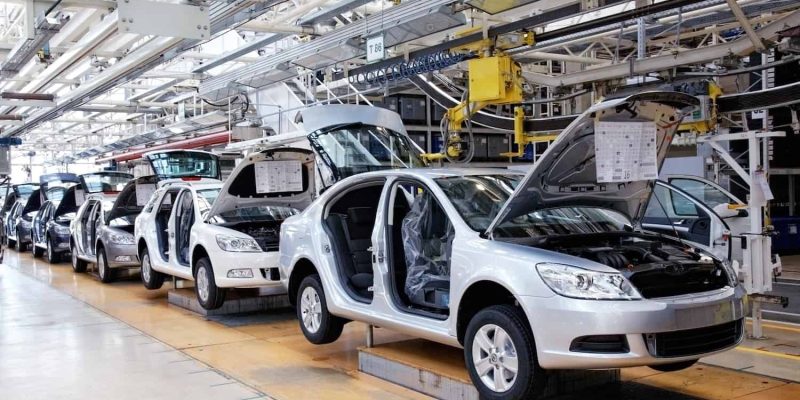
Industry 4.0 technologies are revolutionizing vehicle production through automation, artificial intelligence, and real-time analytics.
Advantages include:
- Improved production efficiency
- Predictive maintenance systems
- Reduced operational costs
- Enhanced product quality
Smart factories enable faster innovation cycles and flexible production strategies.
4. Connected Vehicle Ecosystems 📡
Vehicles are increasingly becoming connected digital devices on wheels. Integration with smartphones, cloud services, and infrastructure opens new business models.
Automakers can now generate revenue through:
- Subscription-based features
- Remote diagnostics services
- Software upgrades
- Data-driven mobility insights
Connectivity is transforming vehicles into long-term service platforms rather than one-time purchases.
5. Growth in Emerging Markets
Rapid urbanization and rising income levels in developing economies are expanding automotive demand.
Growth drivers include:
- Expanding middle-class populations
- Infrastructure development
- Increased mobility needs
- Government support for manufacturing
These markets offer significant long-term expansion potential.
6. Sustainable Manufacturing Innovation 🌍
Sustainability is no longer optional—it is a competitive advantage. Automakers investing in eco-friendly production benefit from stronger brand trust and regulatory compliance.
Examples of innovation include:
- Renewable energy-powered factories
- Recyclable vehicle materials
- Circular supply chains
- Green logistics strategies
Sustainability initiatives also attract environmentally conscious consumers.
Strategic Shifts Shaping the Industry’s Future
To remain competitive, automotive companies are redefining their business strategies by combining engineering excellence with software expertise. Partnerships with technology firms, investment in digital platforms, and customer-centric innovation are becoming standard industry practices.
Manufacturers that successfully integrate sustainability, connectivity, and automation into their operations are better positioned to lead the next era of mobility.
Conclusion
The automotive industry is navigating one of the most transformative periods in its history. While supply chain constraints, regulatory pressures, and technological disruptions present serious challenges, they also create opportunities for innovation and growth. Companies embracing electrification, connectivity, and digital transformation are shaping the future of transportation and redefining what mobility means in a rapidly changing world.
Frequently Asked Questions (FAQs)
1. Why is the automotive industry shifting toward electric vehicles so rapidly?
Governments are enforcing stricter emissions regulations, and consumers increasingly prefer environmentally friendly transportation options, accelerating EV adoption worldwide.
2. How does artificial intelligence influence vehicle manufacturing?
Artificial intelligence improves quality control, predicts equipment failures, enhances production efficiency, and supports autonomous driving development.
3. What role does software play in modern vehicles?
Software enables navigation systems, driver assistance features, connectivity services, remote updates, and personalized driving experiences.
4. How are automakers addressing sustainability beyond electric vehicles?
Manufacturers are adopting renewable energy in factories, using recyclable materials, reducing waste, and improving supply chain transparency.
5. What impact do semiconductor shortages have on vehicle production?
Semiconductor shortages delay manufacturing schedules, reduce inventory availability, and increase production costs across global markets.
6. Are connected vehicles safe from cybersecurity threats?
Automakers are investing heavily in encryption technologies, secure communication systems, and over-the-air updates to improve vehicle cybersecurity.
7. How will mobility services influence future car ownership trends?
Ride-sharing, subscription models, and autonomous mobility services may reduce individual car ownership while expanding access to flexible transportation solutions.