 By Guthix Danis
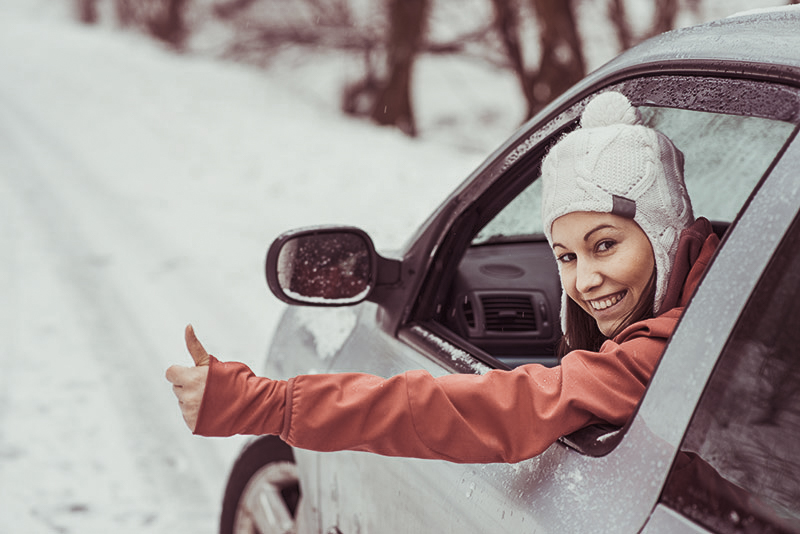
Winter driving introduces challenges that many new drivers are not fully prepared for. Snow-covered roads, reduced visibility, and icy surfaces can quickly turn routine travel into a risky situation. Learning how to prepare your vehicle and adjust your driving habits helps reduce stress and improves safety during cold-weather journeys.
Understand How Winter Conditions Affect Driving
Cold weather changes how your vehicle behaves on the road. Tires lose grip more easily, braking distances increase, and visibility often drops suddenly.
Common winter hazards include:
- black ice on bridges and shaded roads
- reduced traction on snowy surfaces
- fogged or frozen windshields
- delayed braking response
- limited daylight hours
Recognizing these conditions early helps drivers react more effectively.
Prepare Your Vehicle Before Driving 🧰
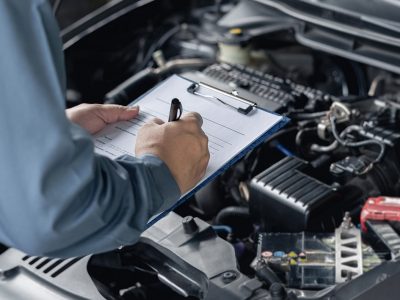
Proper preparation makes winter travel safer and more predictable. A well-maintained vehicle performs better in low temperatures and slippery conditions.
Before heading out:
- check tire pressure regularly
- inspect battery performance
- top up windshield washer fluid
- confirm coolant levels are adequate
- ensure headlights are clean and working properly
Preparation reduces the chances of unexpected problems during cold-weather travel.
Use Winter Tires for Better Road Grip
Standard tires become less effective as temperatures drop. Winter tires provide stronger traction because they are designed for cold surfaces and snow-covered roads.
Benefits of winter tires include:
- improved braking performance
- better cornering stability
- increased traction on icy roads
- safer handling during sudden stops
Even beginner drivers notice better control with proper seasonal tires.
Reduce Driving Speed on Snowy Roads 🐢
Speed control is one of the most important winter driving habits. Lower speeds allow more time to respond to sudden hazards and reduce the risk of skidding.
Safe winter speed practices include:
- accelerating gradually
- slowing before turns
- avoiding sudden braking
- maintaining steady throttle control
Smooth driving movements improve stability on slippery roads.
Maintain a Safe Following Distance
Stopping distances increase significantly in winter conditions. Keeping extra space between vehicles provides more reaction time.
A practical approach is to:
- double your normal following distance
- anticipate traffic slowdowns earlier
- avoid tailgating in poor visibility
- stay alert at intersections
More distance equals more control during unexpected situations.
Learn How to Brake Safely on Ice 🛑
Sudden braking often leads to skidding on icy surfaces. Controlled braking helps maintain vehicle stability.
Effective braking techniques include:
- pressing the brake pedal gently
- avoiding abrupt stops
- using engine braking when possible
- steering smoothly while slowing down
Vehicles equipped with anti-lock braking systems help maintain steering control during emergency stops.
Keep Your Windshield and Mirrors Clear
Visibility is critical during winter travel. Snow buildup and fogging reduce your ability to react quickly to road conditions.
Before driving:
- remove snow from the roof and windows
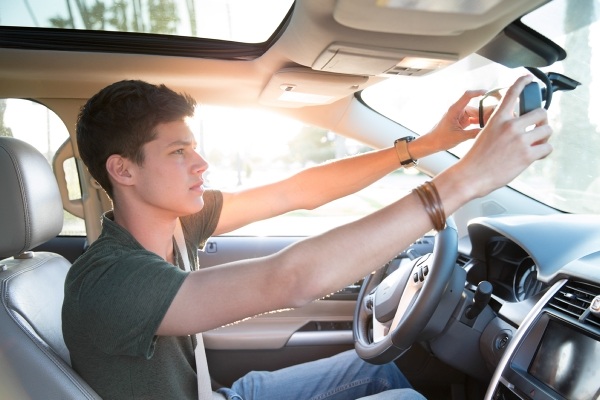
- clear mirrors completely
- defrost the windshield properly
- keep washer fluid topped up
Clear visibility improves awareness and reduces accident risk.
Carry a Winter Emergency Kit 🧯
Unexpected delays can occur due to weather changes or road closures. Carrying essential items ensures better preparedness.
A basic winter emergency kit should include:
- flashlight with spare batteries
- warm blanket or extra clothing
- first-aid kit
- phone charger or power bank
- bottled water and snacks
- reflective warning triangle
Prepared drivers stay safer during unexpected roadside situations.
Avoid Sudden Steering Movements
Sharp steering inputs reduce tire grip on icy roads. Smooth steering helps maintain traction and vehicle balance.
Practice these habits:
- steer gradually into turns
- avoid overcorrecting during slides
- keep both hands on the steering wheel
- stay calm if traction decreases
Controlled steering improves confidence in winter driving conditions.
Plan Your Route Before Leaving 📍
Weather conditions can change quickly during winter travel. Planning ahead helps avoid risky routes and delays.
Before starting your trip:
- check weather forecasts
- monitor road condition updates
- choose well-maintained main roads
- inform someone about your travel plan
Smart route planning reduces unnecessary exposure to hazardous conditions.
Conclusion
Winter driving requires patience, preparation, and awareness—especially for beginners. Adjusting speed, maintaining safe distances, preparing your vehicle properly, and carrying emergency supplies all contribute to safer travel. With consistent practice and attention to road conditions, winter driving becomes more manageable and less stressful over time.
Frequently Asked Questions (FAQs)
1. Is it safe to use cruise control during winter driving?
No. Cruise control should be avoided on icy or snowy roads because it can reduce your ability to react quickly to changing traction conditions.
2. Why do bridges freeze faster than regular roads?
Bridges lose heat from both the top and bottom surfaces, allowing ice to form more quickly than on standard roadways.
3. Should beginners avoid driving during heavy snowfall entirely?
If visibility becomes extremely limited or roads remain untreated, postponing travel is the safest choice for inexperienced drivers.
4. How can I prevent my car doors from freezing shut overnight?
Applying silicone-based lubricant to door seals and keeping moisture away from rubber edges helps prevent freezing.
5. What should I do if my car starts sliding on ice?
Stay calm, ease off the accelerator, and steer gently in the direction you want the front of the vehicle to go.
6. Does warming up the engine for a long time improve winter driving performance?
Modern engines typically require only a short warm-up period before driving safely.
7. Are sunglasses useful during winter driving?
Yes. Bright sunlight reflecting off snow can reduce visibility, and sunglasses help improve visual comfort during daytime travel.