
 By Guthix Danis
Preparing your vehicle before a long road trip is essential for safety, reliability, and peace of mind. A thorough inspection helps prevent breakdowns, reduces unexpected expenses, and ensures smoother travel across varying road conditions. A simple pre-trip checklist can make the difference between a stress-free journey and an avoidable roadside emergency.
Inspect Engine Oil and Fluids First 🛢️
Engine performance depends heavily on proper lubrication and fluid balance. Before departure, check fluid levels and replace anything that appears dirty or low.
Important fluids to review include:
- engine oil
- coolant
- brake fluid
- transmission fluid
- windshield washer fluid
- power steering fluid
Fresh fluids reduce engine strain and improve reliability during long-distance driving.
Check Tire Condition and Pressure Carefully
Tires directly affect handling, fuel efficiency, and safety. Even slightly underinflated tires increase the risk of overheating on extended highway drives.
Make sure to inspect:
- tire pressure (including the spare)
- tread depth
- visible cracks or bulges
- uneven wear patterns
- wheel alignment stability
Properly inflated tires also improve mileage and reduce fatigue while driving.
Test the Braking System Thoroughly 🛑
Reliable brakes are critical during long trips that include highways, hills, or unfamiliar roads. Any unusual sound or vibration should be checked before travel.
Look for warning signs such as:
- squeaking noises
- delayed braking response
- steering vibration during braking
- low brake fluid level
- dashboard warning lights
Addressing braking concerns early improves both safety and confidence behind the wheel.
Examine Battery Health and Connections 🔋
Battery failure is one of the most common causes of roadside assistance calls. A quick inspection can prevent unexpected delays.
Before your trip:
- check battery terminals for corrosion
- confirm secure cable connections
- verify battery age
- ensure reliable engine start performance
If your battery is older than three years, consider testing it professionally.
Inspect Lights and Electrical Systems 💡
Visibility is essential for safe long-distance driving, especially during night travel or poor weather conditions.
Test all exterior lighting components:
- headlights (high and low beam)
- brake lights
- indicator signals
- reverse lights
- hazard lights
- fog lamps if equipped
Functional lighting improves both safety and legal compliance.
Evaluate Cooling System Performance 🌡️
Long drives place additional stress on your vehicle’s cooling system. Overheating is preventable with a simple inspection.
Check the following:
- radiator coolant level
- radiator hoses for leaks
- fan operation
- temperature gauge response
Maintaining cooling efficiency protects the engine during extended travel hours.
Replace Wiper Blades if Needed
Unexpected weather changes are common during road trips. Clear visibility ensures safe driving in rain or dusty conditions.
Inspect wiper performance by checking:
- streaking marks on windshield
- blade cracks
- uneven wiping movement
- washer spray function
Replacing worn blades takes minutes but improves safety significantly.
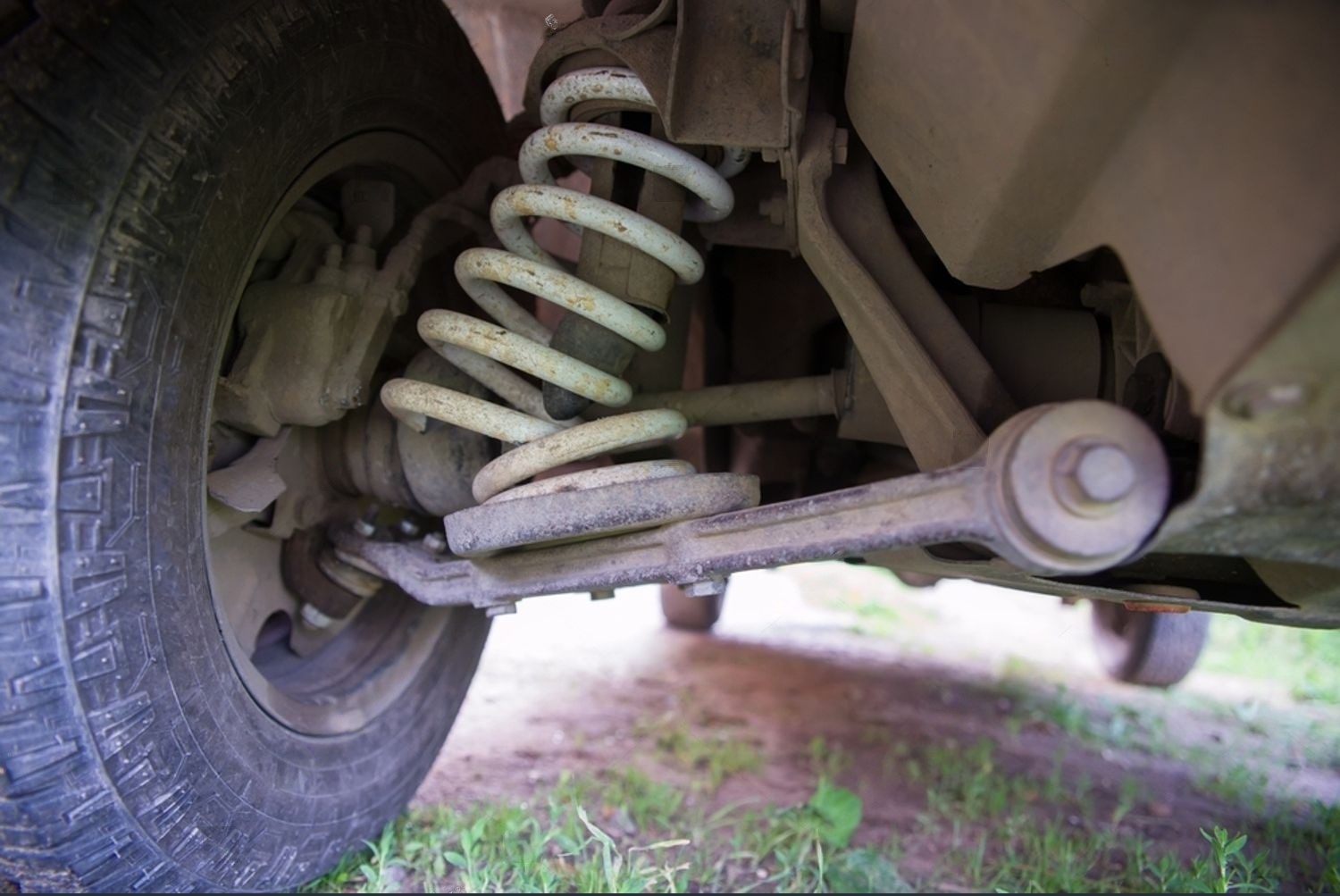
Verify Suspension and Steering Stability
Comfort and control matter more during long journeys than short daily commutes. Suspension problems often become noticeable on extended drives.
Watch for signs like:
- excessive bouncing
- steering pulling to one side
- unusual tire wear
- vibrations at higher speeds
Stable steering reduces fatigue and improves vehicle handling.
Pack Emergency Tools and Safety Equipment 🧰
Even well-maintained vehicles can face unexpected issues. Carrying essential safety gear prepares you for minor roadside problems.
Recommended items include:
- spare tire and jack
- tire inflator or repair kit
- flashlight
- jumper cables
- reflective warning triangle
- basic tool kit
- drinking water and first-aid supplies
Prepared drivers handle emergencies more confidently.
Confirm Air Conditioning and Cabin Comfort Systems ❄️
Cabin comfort contributes directly to driver alertness during long trips. Poor airflow or malfunctioning climate control increases fatigue.
Check for:
- proper cooling performance
- unusual odors from vents
- airflow strength
- cabin filter cleanliness
Comfortable driving conditions support safer long-distance travel.
Review Insurance and Vehicle Documents 📄
Administrative readiness is just as important as mechanical preparation. Missing paperwork can create complications during inspections or emergencies.
Ensure availability of:
- valid registration certificate
- insurance documents
- driver’s license
- pollution compliance certificate (where applicable)
- roadside assistance contact details
Keeping documents accessible saves time during unexpected situations.
Conclusion
A pre-trip repair checklist helps ensure your vehicle remains dependable throughout your journey. Inspecting tires, brakes, fluids, battery condition, lighting, and safety equipment reduces the chances of breakdowns and improves travel confidence. A few preventive checks before departure can turn a long drive into a smooth and enjoyable experience.
Frequently Asked Questions (FAQs)
1. How far in advance should I inspect my car before a road trip?
Ideally, perform a full inspection at least three to five days before departure so there is enough time to fix any issues.
2. Is a professional inspection necessary before every long trip?
Not always, but it is recommended if your vehicle hasn’t been serviced recently or if you are traveling long distances through remote areas.
3. Should I rotate my tires before starting a road trip?
If your vehicle is due for tire rotation based on mileage or uneven wear patterns, rotating them before travel can improve stability and lifespan.
4. Can old engine belts cause problems during highway driving?
Yes. Worn belts may crack or slip under continuous load, potentially leading to engine overheating or accessory failure.
5. Is wheel balancing important before long-distance travel?
Balanced wheels reduce vibrations at higher speeds and improve driving comfort during extended highway trips.
6. Should I top off the fuel tank before entering remote travel routes?
Yes. Keeping the fuel tank adequately filled helps avoid delays in areas where fuel stations are limited.
7. How often should cabin air filters be replaced before travel?
Cabin filters typically need replacement every 12,000–15,000 kilometers, but checking them before a long trip ensures cleaner airflow and better comfort.