
 By Guthix Danis
Driving in high-density traffic zones demands more than basic vehicle control skills. Congested road environments increase the likelihood of sudden braking, unpredictable lane changes, and reduced reaction time. Defensive driving techniques help drivers anticipate hazards before they become emergencies and maintain control even in crowded conditions.
Unlike routine driving in low-traffic areas, dense traffic requires constant awareness, smooth decision-making, and disciplined vehicle positioning. Drivers who adopt defensive strategies reduce accident risk, lower stress levels, and improve overall traffic flow safety.
Understanding how to apply these techniques consistently can transform everyday commuting into a safer and more controlled experience.
Understanding the Challenges of High-Density Traffic Zones
High-density traffic zones present a unique combination of hazards not typically found on open roads. Drivers must respond to constantly changing conditions within limited space and time.
Common challenges include:
- Reduced following distance between vehicles
- Frequent stop-and-go movement
- Sudden lane merging behavior
- Limited escape routes during emergencies
- Driver distraction among surrounding vehicles
- Increased presence of pedestrians and cyclists
These conditions require drivers to remain alert and proactive rather than reactive.
Developing defensive driving habits allows drivers to anticipate problems before they occur.
Maintaining Proper Following Distance in Congested Traffic
Following distance is one of the most important factors in preventing collisions in heavy traffic.
Even when vehicles move slowly, maintaining space between vehicles provides valuable reaction time.
Drivers should:
- Avoid tailgating during stop-and-go traffic
- Maintain visibility of the vehicle ahead’s rear tires contacting the pavement
- Increase spacing during poor weather conditions
- Allow additional distance near large vehicles
Adequate following distance improves braking response and reduces chain-reaction collision risk.
Maintaining space also allows drivers more flexibility when surrounding traffic behaves unpredictably.
Scanning Traffic Patterns Instead of Focusing on One Vehicle
Many drivers make the mistake of concentrating only on the vehicle directly ahead. Defensive drivers monitor the broader traffic environment instead.
Effective scanning includes observing:
- Vehicles several cars ahead
- Adjacent lane movement
- Pedestrian activity near intersections
- Brake light patterns across multiple lanes
- Traffic signal timing changes
Wide-area scanning helps drivers anticipate sudden traffic slowdowns earlier.
Early awareness allows smoother braking and safer lane positioning decisions.
Positioning Your Vehicle for Maximum Visibility and Escape Options
Vehicle positioning plays a critical role in defensive driving strategy.
Drivers should avoid remaining trapped between vehicles without alternative movement options.
Good positioning techniques include:
- Staying out of blind spots of larger vehicles
- Leaving space on at least one side when possible
- Avoiding driving directly alongside aggressive drivers
- Maintaining access to open lanes when available
Proper positioning improves reaction flexibility during unexpected situations.
Maintaining an escape route reduces collision risk during sudden traffic disruptions.
Managing Speed Smoothly in Stop-and-Go Conditions
Abrupt acceleration and braking increase collision risk in dense traffic.
Smooth speed control improves both safety and traffic stability.
Drivers should:
- Accelerate gradually when traffic begins moving
- Anticipate braking before vehicles ahead stop
- Avoid rapid lane changes to gain small distance advantages
- Maintain consistent speed when possible
Predictable speed behavior helps surrounding drivers anticipate movement more accurately.
Consistency improves cooperation between vehicles sharing crowded road space.
Anticipating Lane Changes From Other Drivers
Lane changes occur frequently in high-density traffic zones. Defensive drivers assume nearby vehicles may change lanes without warning.
Signs that a lane change may occur include:
- Vehicles drifting toward lane markings
- Drivers turning their heads toward mirrors
- Speed fluctuations compared with surrounding traffic
- Turn signals activating briefly before movement
Recognizing these signals early helps drivers adjust position safely.
Anticipation reduces the need for sudden braking or evasive maneuvers.
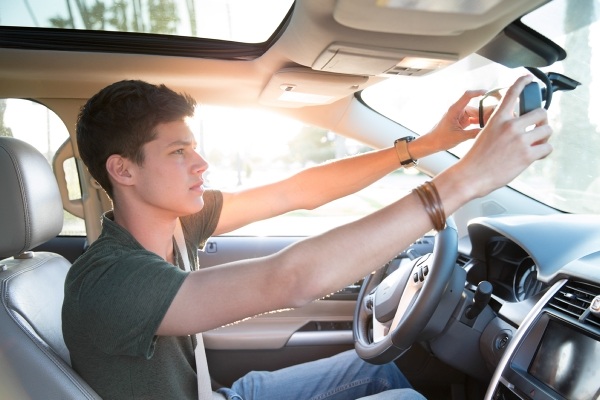
Using Mirrors Effectively in Congested Traffic Environments
Mirror awareness is essential when driving in dense traffic.
Drivers should check mirrors frequently rather than only when changing lanes.
Mirror usage helps monitor:
- Vehicles approaching quickly from behind
- Motorcycles filtering between lanes
- Sudden lane closures nearby
- Emergency vehicles approaching from rear traffic
Consistent mirror scanning improves situational awareness and supports safer decision-making.
Maintaining awareness behind the vehicle is just as important as monitoring traffic ahead.
Managing Blind Spots With Active Observation Techniques
Blind spots increase risk significantly in crowded traffic conditions.
Drivers should combine mirror checks with quick shoulder checks before changing lanes.
Effective blind spot management includes:
- Avoiding extended travel beside other vehicles
- Adjusting mirrors correctly before driving
- Verifying lane clearance visually
- Maintaining predictable lane position
Active observation prevents collisions during lane transitions.
Blind spot awareness supports confident and safe maneuvering.
Recognizing Aggressive Driving Behavior Early
Aggressive drivers increase unpredictability within already complex traffic environments.
Common aggressive behaviors include:
- Rapid lane weaving
- Tailgating
- Sudden braking reactions
- Excessive horn use
- Frequent acceleration bursts
Defensive drivers avoid engaging with aggressive drivers and increase following distance when possible.
Allowing aggressive drivers to pass safely reduces risk exposure.
Maintaining emotional control supports safer decision-making.
Navigating Intersections Safely in High-Traffic Areas
Intersections represent some of the highest-risk locations within dense traffic zones.
Drivers should approach intersections with increased caution.
Important defensive strategies include:
- Checking cross traffic even with a green signal
- Watching pedestrian crossing activity
- Monitoring turning vehicles closely
- Avoiding rushing through yellow lights
Intersection awareness prevents many avoidable collisions.
Careful entry timing improves safety for both drivers and pedestrians.
Adjusting Driving Behavior Around Large Vehicles
Large trucks and buses create visibility challenges in dense traffic.
Defensive drivers maintain extra awareness when traveling near these vehicles.
Safety strategies include:
- Avoiding extended travel beside large vehicles
- Maintaining extra following distance behind trucks
- Anticipating wide turning patterns
- Recognizing limited mirror visibility zones
Understanding large vehicle limitations improves overall traffic cooperation.
Extra spacing improves reaction time during unexpected braking events.
Handling Merge Zones and Lane Reductions Effectively
Merge areas often create sudden congestion and unpredictable movement patterns.
Drivers should approach merge zones with patience and planning.
Helpful merge strategies include:
- Allowing space for merging vehicles
- Avoiding last-second lane changes
- Maintaining steady speed during merges
- Watching traffic signals near construction areas
Cooperative merging improves traffic flow and reduces collision risk.
Early preparation supports smoother transitions through narrowing roadways.
Reducing Driver Fatigue During Heavy Traffic Travel
High-density traffic driving requires sustained concentration.
Fatigue reduces reaction time and awareness.
Drivers can reduce fatigue by:
- Taking short breaks during long commutes
- Maintaining comfortable seating posture
- Keeping windshield visibility clear
- Minimizing distractions inside the vehicle
Maintaining alertness improves decision-making accuracy.
Mental readiness supports safe driving in demanding environments.
Using Technology to Support Defensive Driving Practices
Modern vehicles include driver-assistance systems designed to improve safety in dense traffic conditions.
Helpful technologies include:
- Forward collision warning systems
- Adaptive cruise control
- Blind spot monitoring
- Lane departure alerts
- Rear cross-traffic alerts
These features support defensive driving but should never replace active driver attention.
Technology works best when combined with disciplined driving habits.
Drivers remain responsible for maintaining full control at all times.
Staying Calm and Predictable in Heavy Traffic Conditions
Predictability is one of the most valuable defensive driving qualities.
Drivers who maintain calm and steady behavior help surrounding traffic operate more safely.
Important habits include:
- Avoiding sudden steering corrections
- Using turn signals consistently
- Maintaining steady lane position
- Allowing reasonable merging space
Predictable drivers contribute to smoother traffic flow across entire road networks.
Calm decision-making improves safety outcomes for everyone sharing congested roads.
FAQ Section
What is the safest lane to drive in during heavy traffic
Middle lanes often provide better flexibility for lane changes compared with outer lanes, but the safest choice depends on surrounding traffic conditions.
Should drivers avoid using cruise control in dense traffic
Traditional cruise control is not recommended in heavy traffic because it reduces driver responsiveness. Adaptive systems are safer but still require supervision.
How can drivers reduce stress while commuting through crowded roads
Listening to calm audio content, planning travel time carefully, and maintaining safe spacing between vehicles help reduce stress during heavy traffic travel.
Are motorcycles harder to detect in high-density traffic zones
Yes. Motorcycles are smaller and may travel between lanes in some areas, requiring extra mirror checks and visual awareness.
Is it safer to change lanes frequently to move faster in traffic
Frequent lane changes often increase risk without significantly improving travel time in congested conditions.
How do weather conditions affect defensive driving strategies in dense traffic
Rain, fog, and reduced visibility require increased following distance, slower speeds, and more frequent mirror checks.
Can navigation apps improve safety in heavy traffic environments
Navigation apps help drivers anticipate congestion patterns and route changes, which supports better planning and safer decision-making.