 By Guthix Danis
When maintaining or repairing a vehicle, one of the most important decisions owners face is whether to choose OEM or aftermarket parts. While both options serve the same fundamental purpose, they differ in cost, reliability, compatibility, and long-term value. Understanding these differences helps drivers make informed decisions that balance performance, durability, and ownership costs over time.
Selecting the right replacement components is not only about saving money today. It is about protecting reliability, maintaining resale value, and ensuring consistent vehicle performance for years to come.
Understanding the Difference Between OEM and Aftermarket Parts
Before comparing value, it is important to define what OEM and aftermarket parts actually are.
OEM parts
OEM stands for Original Equipment Manufacturer. These parts are made by the same company that produced the components installed in the vehicle when it left the factory. They are designed specifically for a particular make and model.
Aftermarket parts
Aftermarket parts are produced by third-party manufacturers rather than the original vehicle brand. These companies create replacement components that match or sometimes improve upon original specifications.
Both categories serve legitimate purposes in vehicle maintenance. The key difference lies in consistency, price structure, and performance expectations.
Why OEM Parts Are Known for Reliability
One of the biggest advantages of OEM parts is predictable quality. Because these components are built to match factory specifications exactly, they typically provide consistent fit and performance.
Key benefits include:
- Guaranteed compatibility with your vehicle
- Factory-level quality control standards
- Lower risk of installation complications
- Reliable long-term durability
- Warranty-backed confidence
For complex systems such as engine components, electronic modules, sensors, and safety equipment, OEM parts often reduce the risk of performance issues after installation.
Drivers who prioritize long-term reliability frequently prefer OEM components for critical repairs.
The Cost Difference Between OEM and Aftermarket Parts
Price is often the most noticeable difference between OEM and aftermarket components.
OEM parts usually cost more because they:
- Carry manufacturer branding
- Follow strict production standards
- Are distributed through dealership networks
- Include warranty coverage support
Aftermarket parts typically cost less because multiple manufacturers compete in the same replacement category.
This competition often creates:
- Lower purchase prices
- Wider availability
- Greater product variety
- More flexibility in repair budgets
However, lower cost does not always mean lower value. Some aftermarket components deliver excellent performance at a fraction of the price of factory replacements.
Understanding where cost savings are appropriate is essential for maximizing long-term value.
Fit and Compatibility Considerations
One of the strongest arguments for OEM components is guaranteed fitment.
OEM parts are designed specifically for a particular vehicle platform. This reduces the likelihood of installation problems and helps maintain factory performance characteristics.
Aftermarket parts vary in compatibility depending on the manufacturer.
High-quality aftermarket components typically match OEM specifications closely, but lower-tier options may introduce:
- Minor alignment issues
- Additional installation adjustments
- Reduced lifespan
- Performance inconsistencies
Drivers working with trusted brands and experienced mechanics often achieve excellent results using aftermarket parts without sacrificing reliability.
When Aftermarket Parts Deliver Better Long-Term Value
While OEM parts provide consistency, aftermarket components sometimes offer superior long-term value.
In certain categories, aftermarket manufacturers improve upon original designs.
Examples include:
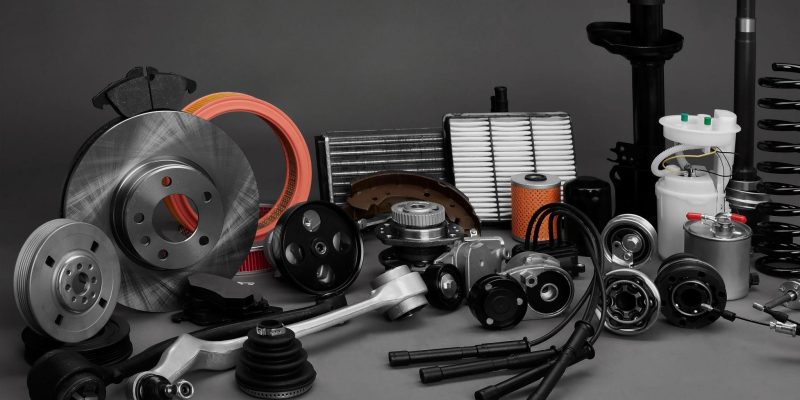
Brake systems
Performance-oriented aftermarket brake components often improve stopping power and durability.
Suspension upgrades
Aftermarket suspension parts frequently enhance ride stability and handling.
Air filters and intake systems
Some aftermarket options improve airflow and engine efficiency.
Lighting components
Modern aftermarket lighting solutions often outperform older factory designs.
Selecting carefully engineered aftermarket components can extend service intervals and improve driving experience.
Warranty Considerations That Influence Value
Warranty coverage plays an important role in deciding between OEM and aftermarket parts.
OEM components typically include manufacturer-backed warranties that provide reassurance regarding durability and compatibility.
Advantages of OEM warranties include:
- Coverage recognized by dealerships
- Support aligned with factory service procedures
- Reduced dispute risk during installation issues
Many reputable aftermarket brands also provide strong warranty protection. However, coverage terms vary widely depending on the manufacturer.
Vehicle owners should always verify warranty details before purchasing replacement parts.
Warranty strength often reflects product confidence and contributes to long-term ownership value.
Availability and Convenience Factors
Availability can influence repair timelines, especially when vehicles require immediate service.
OEM components are sometimes limited to dealership supply channels. This can lead to:
- Longer waiting times
- Higher shipping costs
- Limited inventory options
Aftermarket parts are widely available through:
- Independent repair shops
- Online retailers
- Automotive parts stores
Greater accessibility often allows faster repairs and lower downtime.
For drivers who rely heavily on their vehicles daily, convenience becomes an important factor in determining overall value.
Impact on Vehicle Resale Value
Replacement part selection can affect vehicle resale potential.
Vehicles maintained with OEM components often retain stronger resale appeal because buyers associate factory parts with reliability and proper maintenance practices.
However, high-quality aftermarket upgrades can also enhance resale value when they improve performance or durability.
Examples include:
- Premium suspension systems
- Upgraded braking components
- Enhanced lighting systems
- Improved cooling components
Documentation of professional installation and maintenance history strengthens buyer confidence regardless of part type.
Careful recordkeeping supports long-term ownership value.
Safety-Critical Components Require Careful Decision Making
Some vehicle systems demand extra caution when selecting replacement parts.
Safety-related components should always meet strict quality standards.
Examples include:
- Brake components
- Airbags
- Steering assemblies
- Sensors supporting driver assistance systems
- Suspension control components
OEM parts often provide the safest choice in these categories due to guaranteed compatibility and engineering precision.
High-quality aftermarket alternatives can still be reliable, but they must come from trusted manufacturers with strong reputations.
Choosing the wrong supplier for safety components may compromise vehicle performance and driver confidence.
Electronics and Software Compatibility Challenges
Modern vehicles rely heavily on integrated electronic systems.
Modules controlling engine performance, safety features, and infotainment systems often require precise calibration.
OEM electronic components typically ensure:
- Seamless system communication
- Accurate sensor readings
- Reliable diagnostics compatibility
- Stable software integration
Aftermarket electronic components sometimes require additional programming adjustments or may not support full feature functionality.
For vehicles equipped with advanced driver assistance systems, OEM replacements often provide the most reliable solution.
Maintenance Strategy Plays a Role in Long-Term Value
The decision between OEM and aftermarket parts should align with a long-term maintenance strategy rather than a single repair situation.
Drivers planning extended vehicle ownership often benefit from a balanced approach.
A practical strategy may include:
- Using OEM parts for electronics and safety systems
- Selecting aftermarket components for wear items
- Choosing performance upgrades when appropriate
- Prioritizing reliability over short-term savings
This approach allows owners to control costs while preserving long-term durability and driving confidence.
Strategic part selection improves ownership experience across the entire lifespan of the vehicle.
Choosing Reputable Aftermarket Manufacturers Matters
Not all aftermarket components are equal.
Quality varies widely between manufacturers, making brand selection essential.
Reliable aftermarket suppliers typically provide:
- Detailed product specifications
- Compatibility verification tools
- Warranty protection
- Professional installation support
- Industry certifications
Working with trusted suppliers ensures aftermarket parts deliver the performance and reliability expected from factory components.
Research and mechanic recommendations often help identify dependable brands.
Making the Right Decision for Your Driving Needs
Selecting between OEM and aftermarket parts depends on how a vehicle is used, how long it will be kept, and what level of performance is expected.
Drivers prioritizing reliability and factory consistency often prefer OEM replacements.
Those seeking performance improvements or budget flexibility frequently benefit from carefully selected aftermarket options.
Understanding where each type delivers the most value helps vehicle owners avoid unnecessary costs while maintaining dependable performance.
Thoughtful decision-making ensures replacement parts support both immediate repair needs and long-term ownership goals.
FAQ Section
Are OEM parts always manufactured by the vehicle brand itself
Not always. Many OEM components are produced by specialized suppliers contracted by automakers but built according to factory specifications.
Do aftermarket parts void a vehicle warranty
Using aftermarket parts does not automatically void a warranty, but failures caused by incompatible components may not be covered.
Are aftermarket parts harder for mechanics to install
Installation difficulty depends on part quality and design accuracy. High-quality aftermarket components typically install just as easily as OEM parts.
Can mixing OEM and aftermarket parts affect vehicle performance
Mixing components is common and usually safe when compatibility is confirmed and parts meet appropriate quality standards.
Do insurance companies prefer OEM replacement parts after accidents
Insurance providers sometimes approve aftermarket replacements to control repair costs unless policy terms specify OEM-only repairs.
Are aftermarket parts suitable for newer vehicles
Many aftermarket manufacturers produce components specifically engineered for newer models, but electronics and safety systems often benefit from OEM replacements.
How can drivers verify aftermarket part quality before purchase
Checking manufacturer reputation, warranty coverage, compatibility documentation, and mechanic recommendations helps ensure reliable component selection.